
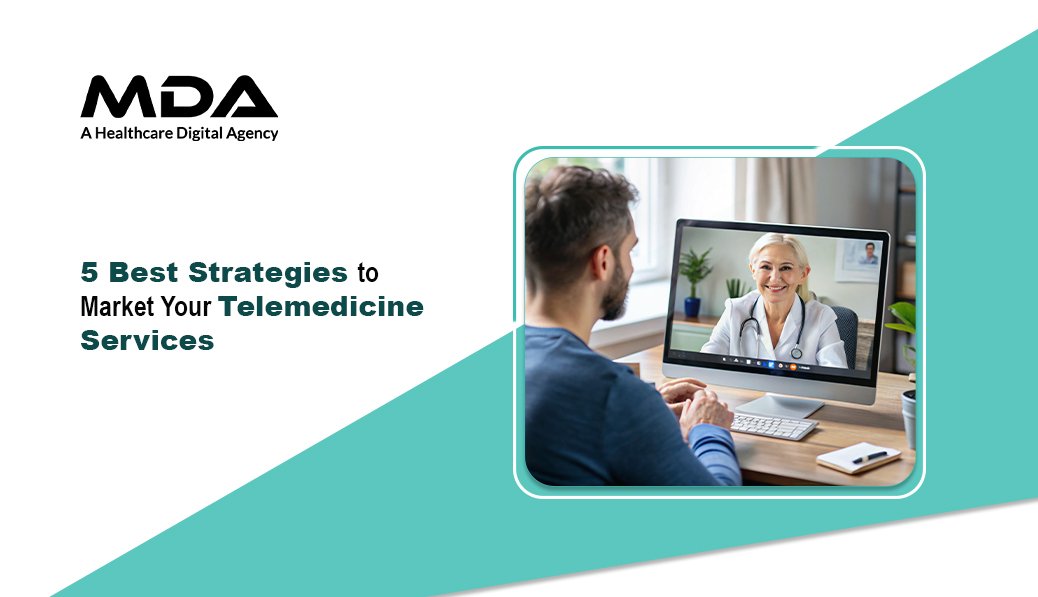
The adoption of telemedicine is still gaining momentum in the healthcare sector across India. The hospitals and clinics that have implemented virtual consultation services now face a different challenge – patient acquisition. The question is no longer if to offer telemedicine, but instead how to make the patients aware of it exists, and force them to make appointments.
Marketing telemedicine is a fundamentally different approach from that of traditional healthcare services. Patients require education on what virtual care is, assurance of quality, and frictionless access to booking. This guide illustrates five evidence-based strategies that drive tangible patient volume for telemedicine services.
Your website is the major decision point in adopting telemedicine. Most healthcare websites are failures because they tend to focus on information rather than action. Patients show up with the express intent of using a specific service and then find themselves tangled up with nebulous service descriptions and hidden appointment links.
Start off with dedicated telemedicine landing pages and not generic service mentions. These pages need to be able to answer three questions within seconds: what are you treating virtually, how does the process work, and how to book immediately. Include scheduling of appointments right on the page instead of requiring navigation to separate contact forms.
Technical performance has a direct effect on patient decisions. Page load speed is important because patients who are shopping for several providers will leave slow sites. Mobile responsiveness is not negotiable as many users are doing healthcare research using smartphones during work hours or while managing family obligations.
Professional healthcare WordPress website development ensures these technical foundations while retaining the HIPAA compliance standards. The return on the investment is the increased conversion rates and decreased patient drop-off.
Clear trust signals the difference between professional telemedicine and dubious alternatives. Display doctor credentials prominently, patient testimonials, specific outcomes, and security certifications. Patients need to feel that they are getting legitimate medical care, not experimental technology.
Patients actively seeking medical solutions are your strongest intenders. Search advertising puts your telemedicine service in front of people with symptoms or dealing with chronic conditions.
Structure campaigns around specific medical conditions instead of using generic telemedicine terms. “Online consultation for diabetes management” beats “telemedicine doctor” because it is a perfect match for patient intent. Patients looking for solutions for a specific condition are closer to booking than patients making general enquiries.
Geo-targeting allows you to expand your effective service area outside of the physical locations of your clinics. Telemedicine breaks geographical boundaries, and you can treat patients in several different cities or states. Expand campaign radius beyond traditional healthcare advertising without losing relevance with your licensing jurisdiction.
Branded campaigns safeguard your existing patient relationships. When patients who currently search your clinic name, your ads make sure that they discover the telemedicine options instead of the competitors. Include specific references of the availability of virtual consultations to guide patients to the digital channels.
Budget allocation necessitates a different way of thinking than did traditional healthcare advertising. Telemedicine consultations tend to have lower margins than face-to-face visits – they require strict cost per acquisition targets. Start small with daily budgets and find keywords to convert, then increase expenditures on things that work.
Social media advertising is the solution to telemedicine’s awareness issue. Many patients who would benefit from virtual consultations don’t actively look for these because they aren’t aware of the option. Social platforms allow you to break up browsing with educational content that is designed to be targeted.
Healthcare Instagram ads management provides especially good results for telemedicine marketing. Instagram’s visual format is great for doctor introductions, explaining a process, or patient success stories. The demographic on the platform is skewed towards younger, technologically comfortable users who are more open to telemedicine.
A creative approach to strategy should be educational rather than direct promotion. Show the process of consultation using brief video clips of how patients relate to doctors. Controversial issues related to quality, privacy, and insurance coverage are addressed, through a sequence of carousel posts designed to build confidence.
Audience targeting makes the difference between successful campaigns and wasted budgets. Layer in demographic filters with behavior signals- Target working professionals who follow the health accounts, parents who follow parenting content or chronic condition patients who engage with disease management resources.
Retargeting Campaigns to Recover Patients who Visited, but didn’t Book. These users showed interest but required some more persuasion. Serve them patient testimonials, special offers for the first consultations, or educational content for remaining concerns.
Your existing patients are your quickest route to telemedicine adoption. These people already trust your knowledge and clinical skills and have an idea of the quality of your service. They just need to be notified of virtual consultations.
Email campaigns should be segmented according to consultation patterns. Patients who come in for routine follow-ups or who need prescription refills or management for chronic diseases are perfect candidates for telemedicine. Craft messages to illustrate how virtual visits save them time traveling and being in a waiting room.
Message timing is more important than message volume. Send out telemedicine notifications before seasonal illness spikes when appointment demand is at an all-time high. Patients with minor ailments during the flu season will value the instant access to doctors rather than the wait for a physical appointment.
Telemedicine alternatives should be promoted by appointment reminder systems. When patients schedule future appointments, automated messages can recommend virtual options for regular consultations. This passive education creates awareness but does not incorporate aggressive selling.
Patient education materials have to deal with practical things. Explain what exactly technology is needed by patients, how to get prepared for remote visits, and what conditions are suitable for remote diagnosis. Uncertainty is an obstacle to adoption, more so than active resistance.
Content marketing builds your organization as a thought leader in the telemedicine field while acquiring organic search traffic. Patients who research symptoms or treatment options find out about your expertise before they have to schedule appointments.
Topic selection should be based on common telemedicine use cases. Write guides on how to manage chronic conditions remotely, when to use virtual consultations and how to prepare for video appointments. Answer the questions the patients ask repeatedly when they call for inquiries.
SEO optimization takes your content beyond your current audience. Pick long tail keywords that include the combination of medical conditions and location modifiers. “Diabetes management doctor in Bangalore” catches the patients looking for local specialists who may not be aware of telemedicine.
Video content works very well in telemedicine marketing as it demonstrates the experience. Document sample consultations, demonstrating the doctor-patient interaction, the technology interface and the general flow. Seeing the process makes them less anxious about trying something new.
Distribution channels determine whether or not quality content is reaching its target patients. Share blog posts via social media, email newsletters, and patient portals. Repurpose written content into social graphics, video snippets, and downloadable guides that increase content life.
Q1: Which channels of marketing lead to the highest volume of telemedicine appointments?
Search advertising and existing patient email campaigns usually have the best immediate ROI. Search is a form of active intent, and email is a form of converted trust. Social media creates long-term awareness that pays dividends quarter by quarter.
Q2: What should healthcare organizations spend on marketing telemedicine?
In telemedicine revenue, allocate 15-20% for marketing during telemedicine launch phases. This percentage reduces as the adoption of organic expands and word of mouth increases. Invest more in patient education content early to create sustainable awareness.
Q3: How do I measure the marketing effectiveness of telemedicine?
Track appointment bookings by traffic source, cost per consultation booked, patient acquisition cost, and repeat consultation rates. Website analytics for landing page conversion rates and form completion rates give advance indicators before appointments come fruition.
Q4: Does Telemedicine marketing need to be directed at existing patients or new patient acquisition?
Attend to existing patients in order to get faster results at lower costs. They convert faster because trust comes into place. Allocate 60-70% of early efforts to patient database activation before progressively shifting to new acquisition as base adoption stabilizes.
Q: What are the common telemedicine marketing errors committed by most healthcare organizations?
The biggest mistake is in treating telemedicine as another service line and not a fundamentally different care delivery model. Patients require more education, reassurance, and hand holding than traditional services. Generic marketing that doesn’t speak to issues specific to telemedicine is a loser across the board.
In order to achieve success in telemedicine marketing, it’s important to ensure that the marketing is carried out in a coordinated fashion, utilizing multiple marketing channels, and not just one-off tactics. Healthcare organizations that marry technical excellence, targeted advertising, patient education, and database activation see appointment volumes to justify the marketing investment.
The strategies focused on here work because they address a complete patient journey from awareness through booking. Start with website optimization and existing patient outreach for immediate results, followed by paid advertising and content marketing for sustained growth.
Your telemedicine service is only valuable if patients are aware of its existence and have confidence in using the service. Strategic marketing of an underutilized offering to transform into a patient acquisition channel that complements traditional services yet also meets the needs of patients who value convenience and accessibility.

C – 81C, Sector – 8, Noida 201301, India


1025 Beamon Drive, Franklin 37064 Tennessee, USA
Sveavagen 34 111 34 Stockholm, Sweden

Copyright ©MDA. All rights reserved.

