
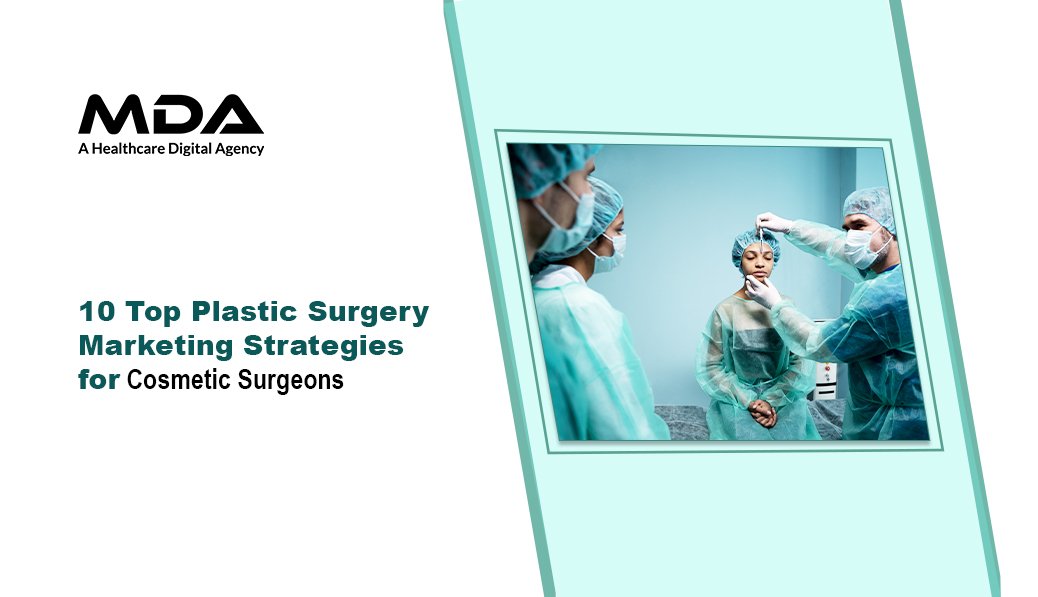
The cosmetic surgery world requires more than clinical excellence. Patient acquisition now relies on strategic digital positioning in which visibility, credibility, and conversion work in concert. For plastic surgeons working in saturated markets, a deliberate marketing strategy decides whether consultation calendars are full or empty.
These ten strategies are the tactical basis for sustainable practice growth. Each focuses on specific decision triggers moving prospects from awareness to booking.
Your website is your digital consultation room. Prospective patients assess technical competence in terms of site performance, visual presentation, and information architecture. A healthcare ux designer company knows that cosmetic surgery sites need certain conversion elements that are different from general medical practices.
Fast load times communicate operational efficiency. Mobile responsiveness is the reflection of attention to patient convenience. Clear procedure pages with realistic expectations of outcomes build trust. Before-and-after galleries need to adhere to HIPAA-compliant standards of presentation while presenting real results.
If the patients are looking for cosmetic procedures, then they add the geographical qualifiers. Local visibility refers to whether or not your practice is included in the consideration set. Working with a hospital seo company healthcare familiar with healthcare regulations ensures compliant optimization with qualified traffic.
Claim and optimise your Google Business Profile with correct information, professional photos, and regular updates. Build the consistency of citations throughout healthcare directories. Target procedure-specific keywords using location modifiers in your content strategy
If you are serving multiple areas, create specific location pages if you have unique and valuable content for patient concerns in your region.
Patients who opt for elective procedures require assurance with the outcome and surgeon rapport. Video brings both at the same time. Educational procedure walkthroughs, recovery timeline explanations, and consultations with surgeons help alleviate anxiety while establishing authority.
Invest in professional production quality of surgical precision. Poor lighting or amateur editing is against your clinical standards. Address common misconceptions, explain the differences in technique, and set realistic expectations. Authenticity is more effective than polish in developing patient relationships.
Organic visibility is time-consuming. Paid search provides instant access to patients who are actively seeking procedures. Google Ads offers precise targeting according to search intent and type of procedures, and also with respect to geographical proximity.
Run campaigns by individual procedures – separate ad groups for rhinoplasty, breast augmentation, and liposuction. This granularity allows for customized messaging and landing page matching. Make use of exact match keywords to limit your budget and maximize relevance.
Send traffic to procedure-specific landing pages that have obvious calls-to-action and limited navigation barriers.
Peer experiences are more trusted than marketing claims by prospective patients. Reviews on Google, RealSelf, and Healthgrades are forms of social proof validating clinical competence and patient satisfaction.
Implement systematic review collection processes. Request feedback at strategic post-procedure milestones when satisfaction is at a peak. Make it easy for the process through direct links and simple interfaces. Respond professionally to all reviews, good and bad, and show commitment to patient experience.
Include testimonials throughout your digital presence. Ensure that you are HIPAA compliant by obtaining written authorization for all patient stories.
Social platforms have two purposes for cosmetic surgeons: a brand-building purpose and a patient education purpose. Instagram and Facebook have allow before and after showcases within platform guidelines. TikTok and YouTube make long-form educational content possible.
Engagement is the key to algorithmic visibility. Respond to comments, join relevant conversations, and produce shareable content to reach out organically. Paid social advertising augments organic efforts by reaching specific demographics in ways that are impossible to reach organically as a stand-alone posting.
Educational content establishes your practice as a trusted source and attracts search traffic throughout the patient journey. Blog posts, extensive procedure guides, and FAQ sections cover specific issues that motivate consultation decisions.
Structure Content (both to read and for search engines) Use clear headings, short paragraphs, and a scannable format. Include relevant pictures with descriptive alt text. Internal linking focuses visitors on conversion pages and spreads SEO authority around your site.
Email is still the best way to convert interested prospects to booked consultations.
Segment your audience by procedure interest, inquiry stage, and past patient status. Tailor messaging accordingly. New subscribers are in need of educational content. People who attend the consultation benefit from decision support information. Past patients respond to retention offers and referral incentives.
Track engagement metrics to refine approach. Monitor open rates, click patterns, and conversion events. A/B test subject lines, send times, and content formats. Automation allows for personalization at scale without losing touchpoints.
The majority of visitors to the website leave without making consultations. Retargeting keeps your practice in front of them as they proceed with their research elsewhere. Display ads on news sites, social platforms, and YouTube serve as reminders of your expertise to prospects as they weigh their options.
Create segments of your audience according to behavior. Visitors who viewed pricing pages show greater intent than those who read general procedure information. Tailor ad creative and offers to each segment at the decision stage.
Frequency capping helps avoid ad fatigue. Balance visibility and restraint – too frequent appearances irritate rather than persuade. Include several creative variations so that it keeps fresh and tests messaging approaches.
Marketing effectiveness needs to be measured and changed on an ongoing basis. Track comprehensive metrics, not just vanity numbers. Consultation requests, procedure bookings, and patient lifetime value are more important than website traffic or social followers.
Implement conversion tracking on all channels. Know which sources are producing qualified leads and which are wasting your time. Allocate budget based on actual results, not assumptions. Google Analytics, Call Tracking systems, and CRM data let you get the intelligence to optimize.
Have regular performance reviews. Identify underperforming elements and test alternatives. Marketing is successful by iteration – testing hypotheses, measuring results, and scaling those that work while eliminating inefficiency.
These ten strategies are the framework of plastic surgery marketing as a whole. Effectiveness is not about individual tactics but integrated tactics. The patients interact with your practice at various touchpoints before scheduling consultations.
Start with the basics – website optimization and local SEO are important for visibility purposes. Layer in content marketing and social presence to earn authority. Add paid advertising to help accelerate the acquisition of patients while organic efforts build some traction.
Market leadership carries with it a consistent effort and strategic adjustment. Patient preferences change, platform algorithms change, and competitive landscapes change. Practices that make a commitment to continuous improvement have full calendars while competitors fight for visibility.
Successful practices spend between fifteen and twenty percent of the gross revenue on marketing practices. New practices may need a higher initial investment to enter the market space, while established practices may be able to work at lower percentages. Budget allocation should be based on growth objectives, market competition, and current patient acquisition costs. Track return on investment carefully to ensure spending efficiency.
Instagram and Facebook currently offer the best combination of visual storytelling functionality and demographic targeting precision. However, the effectiveness of platforms depends on the target demographic and type of procedure. Younger audiences start finding surgeons on TikTok, and YouTube is great for detailed educational material. Multi-platform presence is usually better than single-channel focus, but limitations in resources may require prioritization according to your specific patient demographics.
Healthcare SEO requires industry-specific knowledge in terms of YMYL content standards, HIPAA compliance requirements, patient privacy considerations, and medical content accuracy requirements. Generic optimization overlooks critical healthcare ranking factors and faces compliance violations. Partner with the agencies that have proven healthcare marketing experience and knowledge of regulations.
Timeline varies by strategy. Paid advertising can yield results of the same scale in days, while SEO can only take three to six months to generate meaningful organic traffic growth. Social media authority is accumulated over six to twelve months of consistent effort. Most practices have some measurable results within ninety days in implementing comprehensive multi-channel approaches, with momentum increasing as strategies mature.
Successful campaigns align their digital presence with actual clinical capabilities, maintain the same look and feel throughout touchpoints, focus on educating patients rather than promoting their product, and track performance measures religiously. Excellence demands both strategy and discipline.

C – 81C, Sector – 8, Noida 201301, India


1025 Beamon Drive, Franklin 37064 Tennessee, USA
Sveavagen 34 111 34 Stockholm, Sweden

Copyright ©MDA. All rights reserved.

